

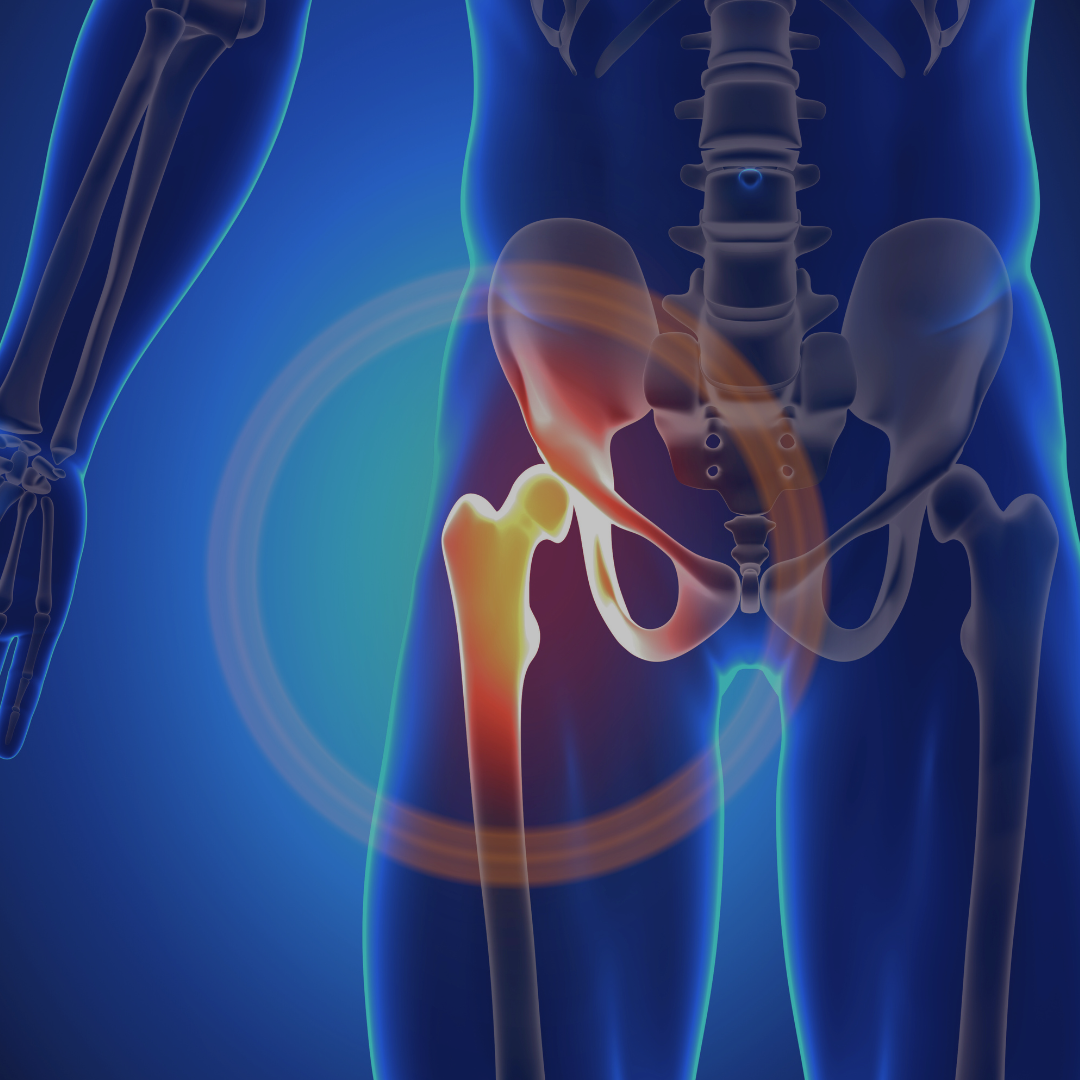
Hip flexor pain is a common issue for runners and HYROX athletes, often felt as discomfort or tightness in the front of the hip. It can show up during running, sprinting, lunges, sled work, or even after long periods of sitting. Because the hip flexors play a major role in stride mechanics and force transfer, irritation in this area can quickly impact performance.
What the Hip Flexors Do During Running
The hip flexors are responsible for lifting the leg during swing phase and helping control hip extension as the foot contacts the ground. During running and hybrid training, they work repeatedly under fatigue. When strength, mobility, or recovery is lacking, the hip flexors are often overloaded.
Why Hip Flexor Pain Develops
Hip flexor pain is rarely caused by a single incident. It usually develops over time as training demands exceed tissue capacity. Common contributors include:
- High running volume: Repeated hip flexion without adequate recovery.
- Sprinting and sled work: Increased demand on the hip flexors during acceleration.
- Prolonged sitting: Keeps the hip flexors in a shortened position outside of training.
- Limited hip extension: Forces the hip flexors to work harder with each stride.
- Fatigue from strength training: Heavy lower body sessions can reduce tissue tolerance.
Why Hip Flexor Pain Keeps Returning
Many athletes stretch their hip flexors aggressively for relief, but symptoms often return. Stretching alone does not address strength endurance or load tolerance. If training structure and tissue capacity are not improved, irritation is likely to persist.
How Chiropractors Evaluate Hip Flexor Issues
A sports chiropractic evaluation looks at hip mobility, pelvic control, and running mechanics. Attention is also given to how the hips interact with the spine and lower extremities. Treatment focuses on restoring efficient movement and improving the hip flexors’ ability to tolerate load.
Training Adjustments That Help
Managing hip flexor pain often involves adjusting training rather than stopping entirely. Helpful strategies include spacing sprint and sled sessions appropriately, balancing hip flexion with hip extension strength work, and gradually progressing running volume.
Supporting Long Term Hip Health
Strong, resilient hip flexors are built through progressive loading, controlled strength work, and adequate recovery. When the hips can move and produce force efficiently, stress on surrounding structures is reduced.
The Bottom Line
Hip flexor pain is often a sign that training demands and tissue capacity are out of balance. Addressing strength, mobility, and load management can help runners and HYROX athletes return to consistent, pain free training.
At MVMT STL, we help athletes manage hip flexor pain by improving movement efficiency, restoring strength, and guiding training strategies that support long term performance.