

Runner’s Knee Explained: Why Knee Pain Often Starts at the Hips
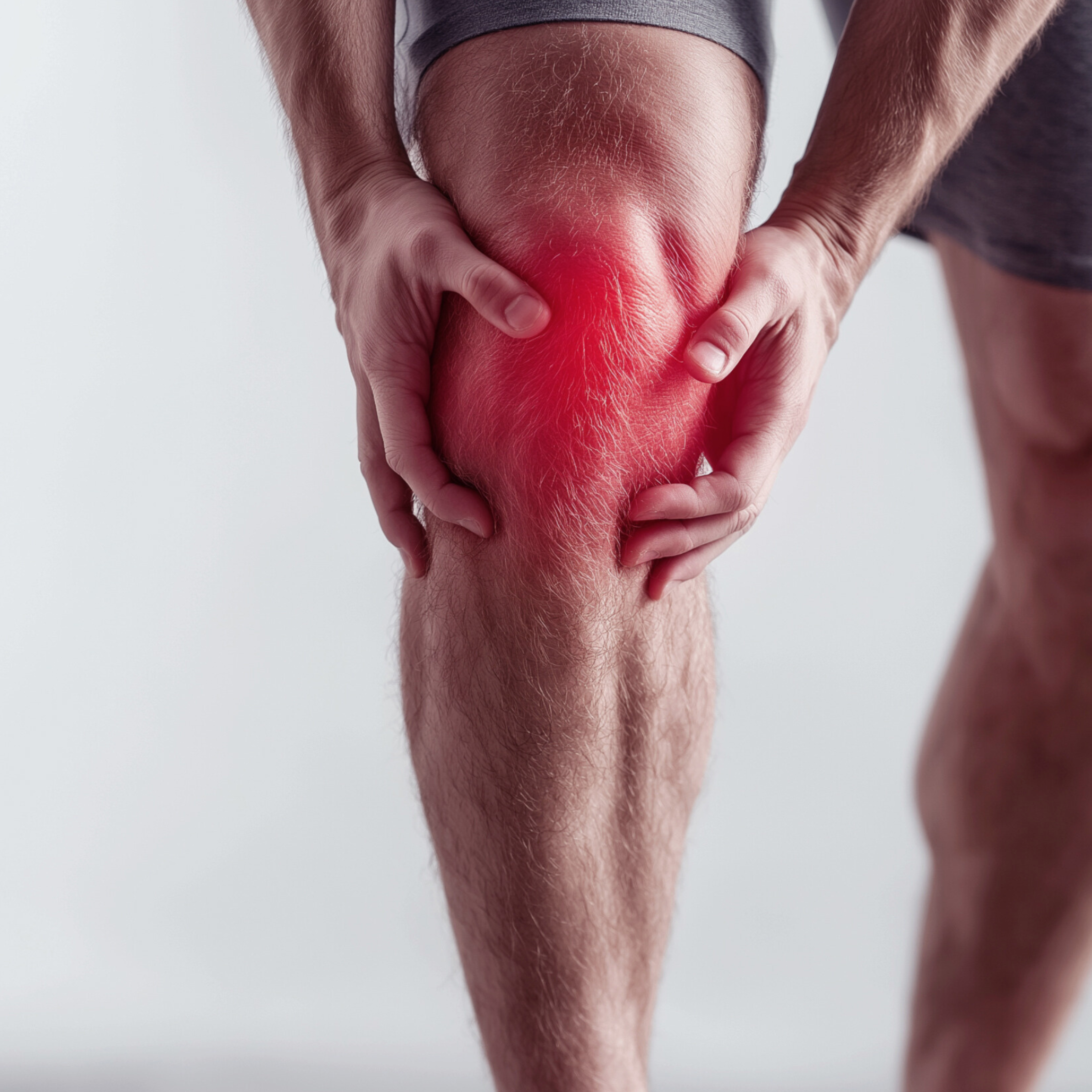
Runner’s knee, commonly known as patellofemoral pain, is one of the most frequent complaints among runners and hybrid athletes. It is typically felt as pain around or behind the kneecap during running, stairs, squats, or prolonged sitting. While symptoms are felt in the knee, the underlying cause is often related to how the hips and lower body control movement during training.
What Is Runner’s Knee
Runner’s knee occurs when the kneecap does not move smoothly within its groove during bending and straightening of the leg. Repetitive loading without proper alignment or control can irritate surrounding tissues, leading to discomfort that gradually worsens with activity. Rather than being a single injury, it is usually the result of accumulated stress over time.
Why the Knee Is Not Always the Problem
The knee functions as a hinge joint positioned between the hip and ankle. When movement or stability is limited above or below it, the knee absorbs additional stress. Poor hip control, especially during single leg activities like running, often allows the knee to collapse inward, increasing pressure around the patella.
Common Contributors to Runner’s Knee
Runner’s knee usually develops from a combination of movement and training factors rather than one specific cause. Common contributors include:
- Hip weakness or poor control: Reduced stability during stance phase increases knee stress.
- Rapid training increases: Sudden mileage or intensity changes overload tissue capacity.
- Limited ankle mobility: Restrictions alter landing mechanics and load distribution.
- Fatigue: Movement quality often decreases late in runs or workouts.
- Repetitive downhill running or high volume squatting: Increased compressive forces at the knee joint.
Why Symptoms Often Return
Many athletes focus only on stretching or resting the knee, which may temporarily reduce symptoms. However, if hip strength, movement mechanics, and load progression are not addressed, irritation often returns once training resumes. Long term improvement requires improving how force is controlled throughout the entire lower body.
How Chiropractors Evaluate Runner’s Knee
A sports chiropractic evaluation looks beyond the knee itself. Movement assessments often include hip stability, pelvic control, ankle mobility, and running mechanics. Treatment focuses on improving movement efficiency so the knee no longer absorbs excessive stress during repetitive activity.
Training Adjustments That Help
Most athletes do not need to stop running completely. Instead, temporary modifications can allow symptoms to calm while maintaining fitness. Strategies may include adjusting running volume, reducing downhill work, strengthening hip stabilizers, and gradually rebuilding tolerance to loading.
Building Resilient Knees for Running
Strong, resilient knees depend on coordinated strength throughout the hips and lower body. Progressive strength training, controlled single leg exercises, and balanced training schedules help distribute load efficiently and reduce recurring irritation.
The Bottom Line
Runner’s knee is rarely just a knee problem. It is often a sign that movement control or training load needs adjustment. Addressing contributing factors early helps runners and hybrid athletes continue training while reducing recurring flare ups.
At MVMT STL, we help athletes identify the root cause of runner’s knee, restore efficient movement patterns, and build strength strategies that support long term performance.