

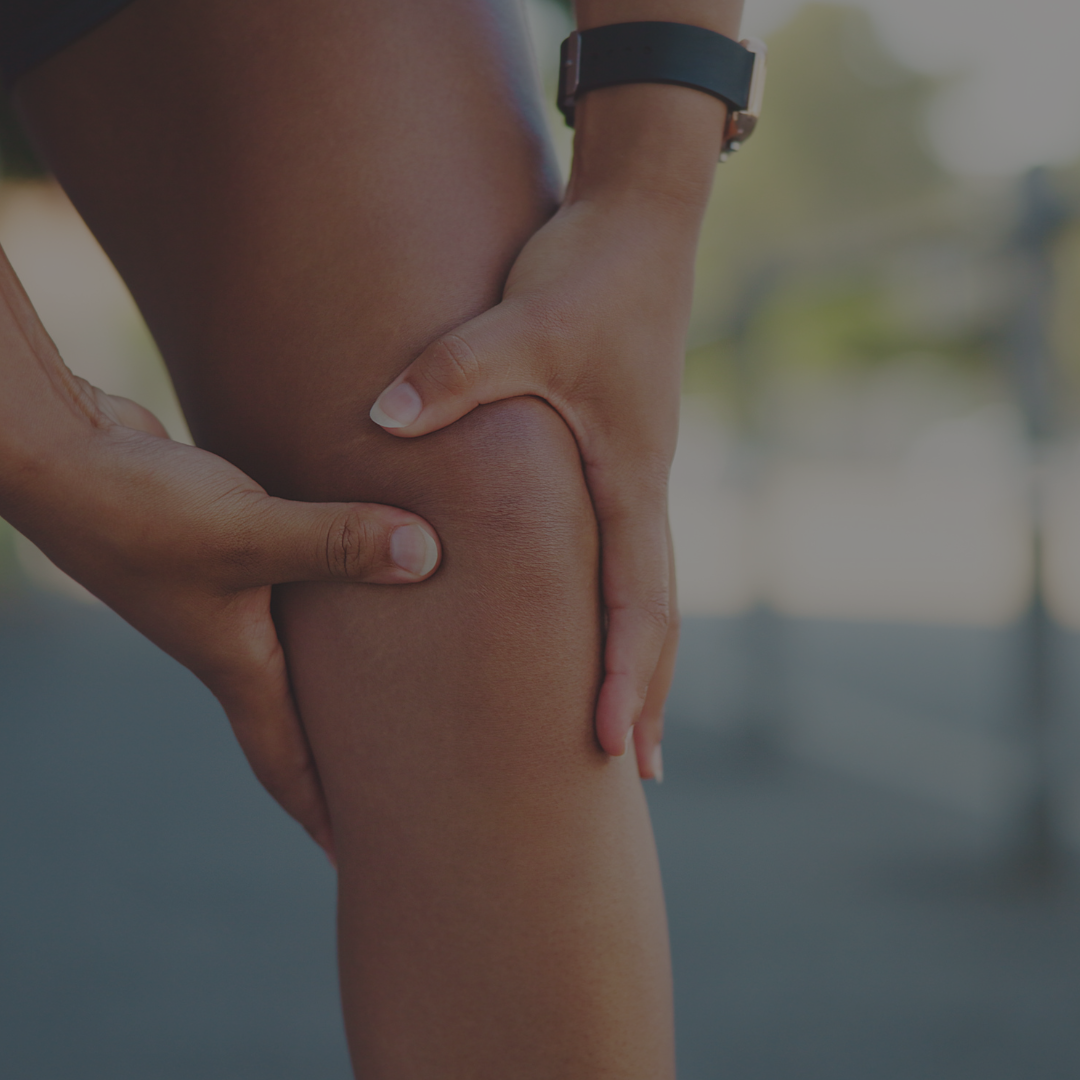
Cold weather often makes leg joints feel stiff, achy, or slow to move. Knees, hips, and ankles are especially sensitive, and many athletes notice decreased mobility or discomfort during winter workouts. While temperature plays a role, underlying movement patterns, strength, and joint load are often the main drivers of stiffness.
Why Leg Joints Feel Stiff in the Cold
In colder conditions, muscles, tendons, and ligaments lose some elasticity, and synovial fluid, the natural lubricant for joints, becomes thicker. If surrounding muscles are tight or joints aren’t moving efficiently, this stiffness becomes more noticeable, making walking, squatting, or running feel harder.
Movement Restrictions That Contribute to Cold Leg Stiffness
Stiffness in the knees, hips, and ankles is often tied to movement restrictions elsewhere in the lower body:
- Hips: Tight hip flexors or weak glutes can limit hip extension and force the knees and lower back to compensate.
- Knees: Weak quadriceps or tight hamstrings increase stress on the knee joint, worsening stiffness during cold weather.
- Ankles: Limited ankle dorsiflexion or tight calves affect gait and squatting mechanics, making knees and hips feel stiff.
- Overall circulation and activity levels: Sedentary periods or prolonged sitting reduce blood flow to the legs, making joints more sensitive to cold.
Why Cold Leg Stiffness Persists
Temporary warm-ups may provide relief, but stiffness often returns if underlying mobility or strength deficits aren’t addressed. Compensations in the hips, knees, or ankles continue to stress the joints, prolonging discomfort and limiting performance.
How Chiropractors Address Cold Leg Stiffness
Sports chiropractors evaluate joint mobility, muscle balance, and movement patterns in the lower body. Treatment may include joint mobilizations, soft-tissue work, and corrective exercises designed to improve hip, knee, and ankle function, helping leg joints move freely even in cold conditions.
Everyday Factors That Increase Leg Stiffness
Cold stiffness in the legs often worsens with routine habits rather than injury. Common triggers include:
- Prolonged sitting or driving
- Skipping warm-ups before training
- Poor posture or foot mechanics during activity
- High-intensity workouts without proper mobility prep
The Bottom Line
Cold leg stiffness isn’t just about the temperature, it’s often a signal that hips, knees, or ankles need better mobility, strength, and load management. Addressing these factors helps reduce stiffness, improve performance, and prevent recurring discomfort.
At MVMT STL, our goal is to keep your legs moving efficiently, help you understand how joint mechanics affect your performance, and guide you back to confident, pain-free movement all year round.